After the Scroll

A publication about scrolling, late-night browsing and bedtime procrastination

The feed is easy to start. We write about the ending.

Understand why you keep going, and make stopping easier. Each article follows one moment of an ordinary evening, from the second before you tap an app to the hour you meant to be asleep.

Follow the eveningAll articles
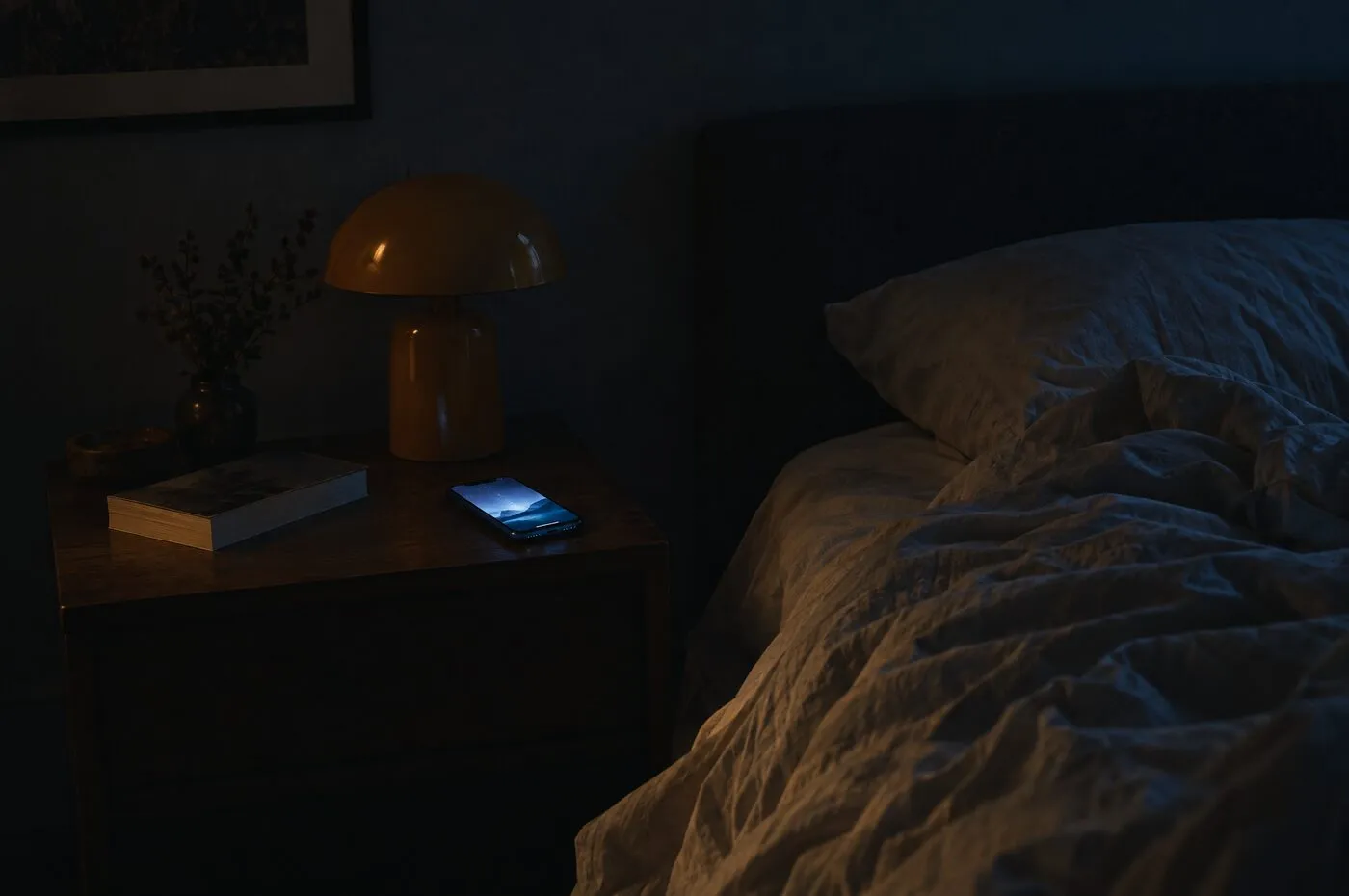
A phone lying face up on a bedside table, its screen glowing in a dark bedroom
The last light on in the house.23:58

One evening, three articles

Read in clock order, not publication order

21:40

Thumb over the icon

How to Set Up a Stopping Point Before Opening a Video App

Decide how the session ends while deciding is still easy, then test it for a week.

Short answer

A stopping point is an ending you choose before you tap the app: a count, a clock time, an outside event or a purpose. Research on if-then plans shows that deciding in advance helps people act on their intentions, though it works less well against strong habits. Field studies suggest that a short pause before an app opens, and limits set ahead of time, reduce use. No study has tested stopping points for video apps specifically, so treat this as a one-week experiment.

Published 29 Sep 2026 · 7 sources · Sources checked 16 Oct 2026

23:10

The fun has gone. The feed hasn’t.

Why Do I Keep Scrolling When I’m No Longer Enjoying It?

Enjoyment usually fades long before the scrolling stops. Here is what research says about why, and how to put the endings back.

What the evidence supports

People often keep scrolling past the point of enjoyment because feeds remove natural stopping points, so stopping takes a decision made mid-stream, often when tired. Experience-sampling research finds that media use is one of the desires people most often fail to resist, but the link between phone use and mood is small on average. Calling ordinary scrolling an addiction is not well supported. Deciding your exit before you open an app, and adding a small pause, are reasonable low-cost experiments.

Published 18 Aug 2026 · 10 sources · Sources checked 16 Oct 2026

01:00

The only hours that felt like yours

“This Is the Only Time I Have to Myself”: Understanding Late-Night Browsing

What bedtime procrastination research says about staying up online, and how to get time back without paying for it in sleep.

What the evidence supports

Going to bed later than you meant to, when nothing is stopping you, is called bedtime procrastination, and surveys consistently link it to shorter, poorer sleep. In interviews, one recurring reason is wanting time that feels like your own after a day that belonged to other people. Most of the evidence is cross-sectional, so cause and effect are unclear, and no intervention has strong trial support yet. A reasonable approach is to move some free time earlier and decide in advance how the evening ends.

Published 8 Sep 2026 · 12 sources · Sources checked 16 Oct 2026

From the late-night browsing article

“I stayed up too late” can mean three different things.

An interview study of 17 frequent bedtime procrastinators found three patterns. Seventeen interviews can’t say how common each one is, but each calls for a different fix.

01 · Deliberate

Staying up on purpose, because the time feels deserved.

The evening is meeting a need for personal time.

02 · Mindless

Losing track of time while absorbed in something.

The activity has no ending that prompts a decision.

03 · Strategic

Going to bed late in order to fall asleep faster.

The real problem may be sleep, not the screen.

Before you tap

Four ways a session can end

Inside a feed, every moment is a middle. These are the endings you can choose from outside it.

  1. A count

    A set number of videos, such as ten. Counting keeps you slightly aware of what you are doing.

  2. A clock time

    “Until 9:40” rather than “for twenty minutes”, since durations are easy to lose track of.

  3. An event

    “Until the kettle boils” or “until my train arrives.” Something outside the app ends the session for you.

  4. A purpose

    “Until I’ve found the recipe.” Once the reason is met, the session is done.

Set one up in the stopping point guide

How we write

Short answer first. Sources at the end. A date on both.

You may be reading at midnight with half your attention. So every article opens with what the evidence supports, in a paragraph. It says plainly when a finding comes from one small study or a survey that can’t show cause and effect. The studies are listed at the end, with the date we last checked them.

ARTICLE1 OF 3
SHORT ANSWER
[1] [2] [3] … [12]SOURCES CHECKED 16 OCT 2026